The truth is more nuanced, and frankly, more useful. Yes, AI is fundamentally reshaping how people find information. Yes, some traffic patterns are changing. But organic traffic isn't dying — it's being redistributed. The marketers who understand that distinction are the ones who will come out ahead.
Let's separate the myths from the mechanics, and then talk about what you actually need to do differently.
Myth #1: AI Overviews Are Destroying Organic Click-Through Rates Across the Board
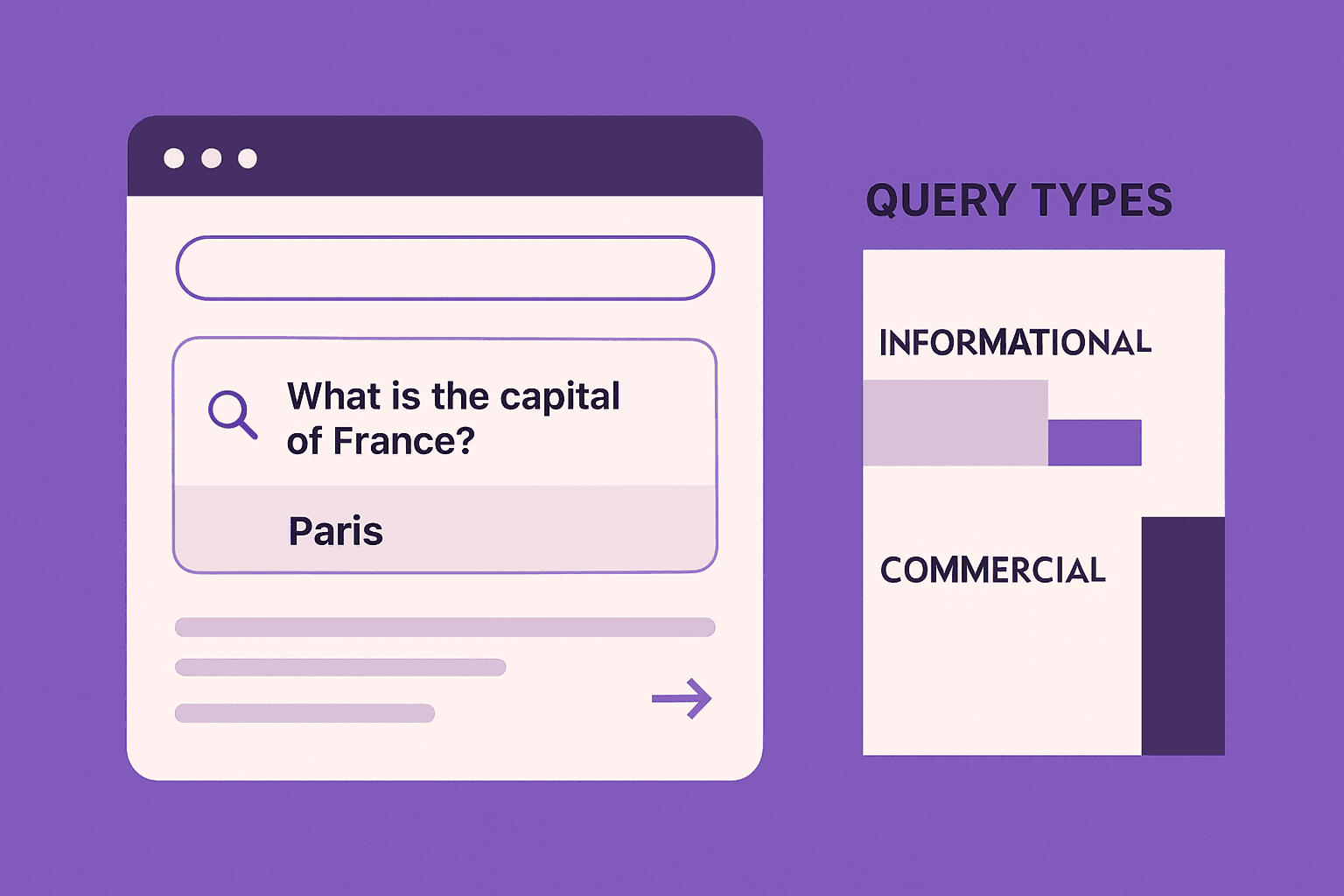
Here's what the data actually shows: click-through rates are declining for certain query types — specifically informational queries where a short, direct answer satisfies the user's intent. If someone searches "what is the capital of France," they were never going to become your customer anyway.
Zero-click searches are real, but they're concentrated in the low-intent, high-volume query space. Commercial, transactional, and nuanced queries still drive clicks — because AI-generated summaries can't fully replace the trust that comes from a well-argued, authoritative piece of content backed by a credible brand.
Where you should be concerned: thin, generic content that used to rank on volume alone is now being absorbed directly into AI Overviews. If your content strategy relies on answering simple questions with shallow posts, that playbook is effectively over.
The fix isn't abandoning organic. It's raising the bar.
Myth #2: Generative AI Content Will Flood the SERP and Make It Impossible to Compete
This one has a grain of truth dressed up as catastrophe.
Yes, the volume of AI-generated content is exploding. But Google has been explicit: it doesn't penalize AI-generated content by default — it penalizes low-quality, unhelpful content, regardless of how it was produced. The bar for "helpful" just got higher.
This actually creates an opportunity for lean marketing teams willing to invest in genuine expertise and original perspective. The SERP is increasingly rewarding:
First-hand experience and unique data that no AI can fabricate
Strong editorial voice that signals human expertise
Depth and specificity over surface-level coverage
Content built around demonstrated authority, not just keyword matching
The flood of mediocre AI content makes great content more valuable, not less. If you're producing thoughtful, well-structured, genuinely useful pieces, you're not competing with the flood — you're rising above it.
Myth #3: Answer Engine Optimization (AEO) Is Just a Rebrand of SEO
This one undersells the actual shift happening.
Traditional SEO is about getting your page to rank in a list of blue links. Answer Engine Optimization (AEO) is about getting your content cited, surfaced, or referenced by AI systems — ChatGPT, Perplexity, Google's AI Overviews, and whatever comes next. If you want a deeper breakdown of how AEO works and how to build a strategy around it, our guide to mastering Answer Engine Optimization is a good place to start.
The mechanics are related but distinct:
The practical takeaway: AEO and SEO are no longer separate disciplines. Your content strategy needs to serve both a human reader and an AI retrieval system simultaneously. That's a higher bar — but it's a clear one.
The Real Impact of AI on Search: What's Actually Changing
Let's be direct about the AI impacts on search that are genuinely significant in 2026:
Zero-click searches are growing for informational queries. If your traffic model depends on being the answer to "how do you do X," that pipeline is narrowing. Adapt by targeting queries where the click is part of the value — comparison content, tool reviews, detailed how-tos that require scrolling, gated resources.
Brand search is becoming more valuable. When users trust your brand, they search for you by name — and AI can't intercept that. Content that builds brand authority and recognition creates a moat that algorithmic changes can't easily erode.
Long-tail, specific queries are still alive. AI Overviews tend to cover broad, well-trodden topics. Niche, specific, and timely queries often don't trigger an Overview at all — and when they do, there's still a strong pull to click through for the full context. Understanding how to find and target these queries is its own discipline — we cover the full process in our post on keyword research for Answer Engine Optimization.
Traffic quality is changing more than traffic quantity. Many teams reporting traffic drops are seeing bounce-rate improvements among the sessions that remain. Users who click through in an AI-saturated SERP are more intentional. Fewer, better-qualified visitors can mean better conversion rates even if raw session counts decline.
Adapting Your Content Strategy for the New SERP Landscape
This is where strategy actually matters. Here's a framework for the current environment:
1. Audit Your Content Through an Intent Lens
Sort your existing content by query intent: informational, navigational, commercial, transactional. Informational content is most exposed to AI Overviews. That doesn't mean delete it — it means decide if the goal of that content is still organic traffic, or if it should serve a different purpose (lead nurture, authority building, social distribution).
2. Double Down on Your Unique Perspective
AI can synthesize existing information. It cannot generate your proprietary data, your team's direct experience, your original research, or your distinctive editorial stance. Content that leads with a clear point of view — and defends it — is inherently more defensible than content that simply aggregates what others have already said.
3. Build Content Clusters, Not Just Posts
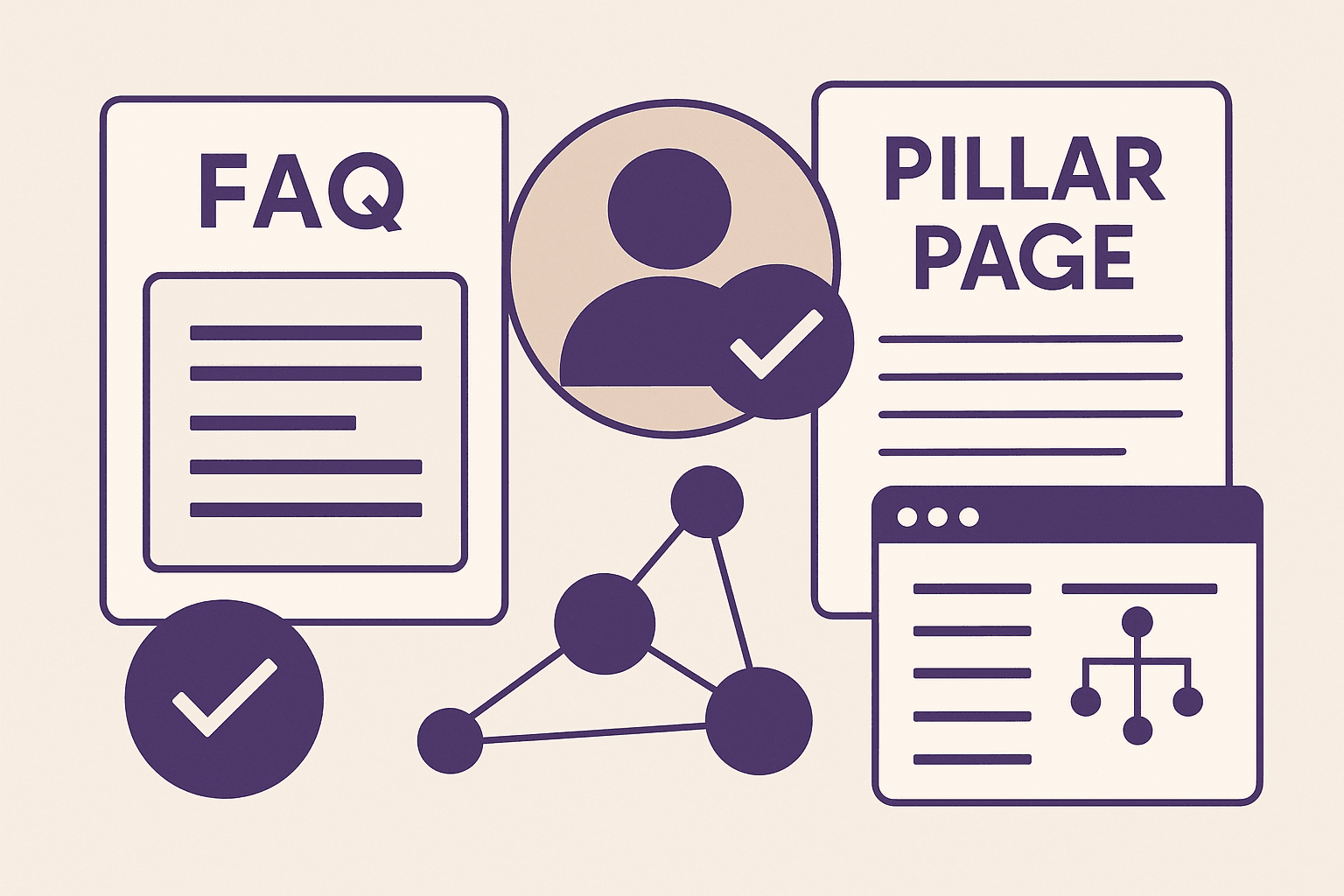
A single post targeting a keyword is fragile. A cluster of deeply interlinked content covering a topic from multiple angles signals expertise to both Google and AI retrieval systems. Round-trip linking between your pillar pages, supporting posts, and conversion-oriented content creates a coherent topical footprint that's much harder to displace.
4. Optimize for Citation, Not Just Ranking
Structure your content so that specific sections are quotable. Lead answers with clear, direct statements before adding nuance. Use headers as questions. Include a concise summary or TL;DR. Think of each key section as a potential snippet that an AI system might pull — because it might.
5. Diversify Your Traffic Sources Without Abandoning Organic
Organic remains one of the highest-leverage traffic sources available to lean teams. But over-reliance on any single channel is fragile. Layer in email, social, and community distribution so that your content works across surfaces. Adaptive content — content designed to perform across multiple channels and formats — gives you compounding returns from the same investment.
6. Monitor the Competitive Landscape Continuously
One underrated adaptation in the AI search era: knowing what your competitors are doing and where they're gaining ground before it shows up in your own traffic data. AI-powered competitive monitoring gives lean teams the kind of proactive intelligence that used to require a full analyst team — surfacing shifts in competitor content strategy, keyword positioning, and share of voice in near real time.
7. Measure Differently
If you're still judging content success solely by sessions, you're missing the picture. Track branded search growth, content-influenced pipeline, email subscriber conversion from blog readers, and time-on-page as signals of content quality. The AI-era SERP rewards authority and depth, and those qualities show up in downstream metrics before they fully show up in traffic.
The Marketers Who Win This Won't Be the Ones Who Panic
The AI SERP changes are real. Zero-click searches are real. The competitive pressure from AI-generated content is real.
But the underlying dynamic is the same as it's always been: content that is genuinely useful, strategically structured, and backed by credible expertise will find its audience. The delivery mechanism is evolving. The fundamentals are not.
What is different is the speed at which you need to adapt, and the operational sophistication required to execute consistently across a changing landscape. That's where lean teams face the biggest gap — not in knowing what to do, but in having the systems to do it at the pace the market now demands.
The future of SEO belongs to marketers who can think strategically and execute continuously. That's not a comfortable combination when you're a team of one or two — but it's a solvable problem.
Stay Ahead of the Shift
The SERP landscape will keep evolving. AI marketing strategy isn't a one-time adjustment — it's an ongoing discipline. The teams that build systems for continuous learning and adaptive content will outpace those chasing each algorithm update reactively.
Subscribe to our newsletter for more strategic insights on navigating the evolving AI marketing landscape and future-proofing your growth. No noise — just clear thinking on the shifts that actually matter, delivered straight to your inbox.